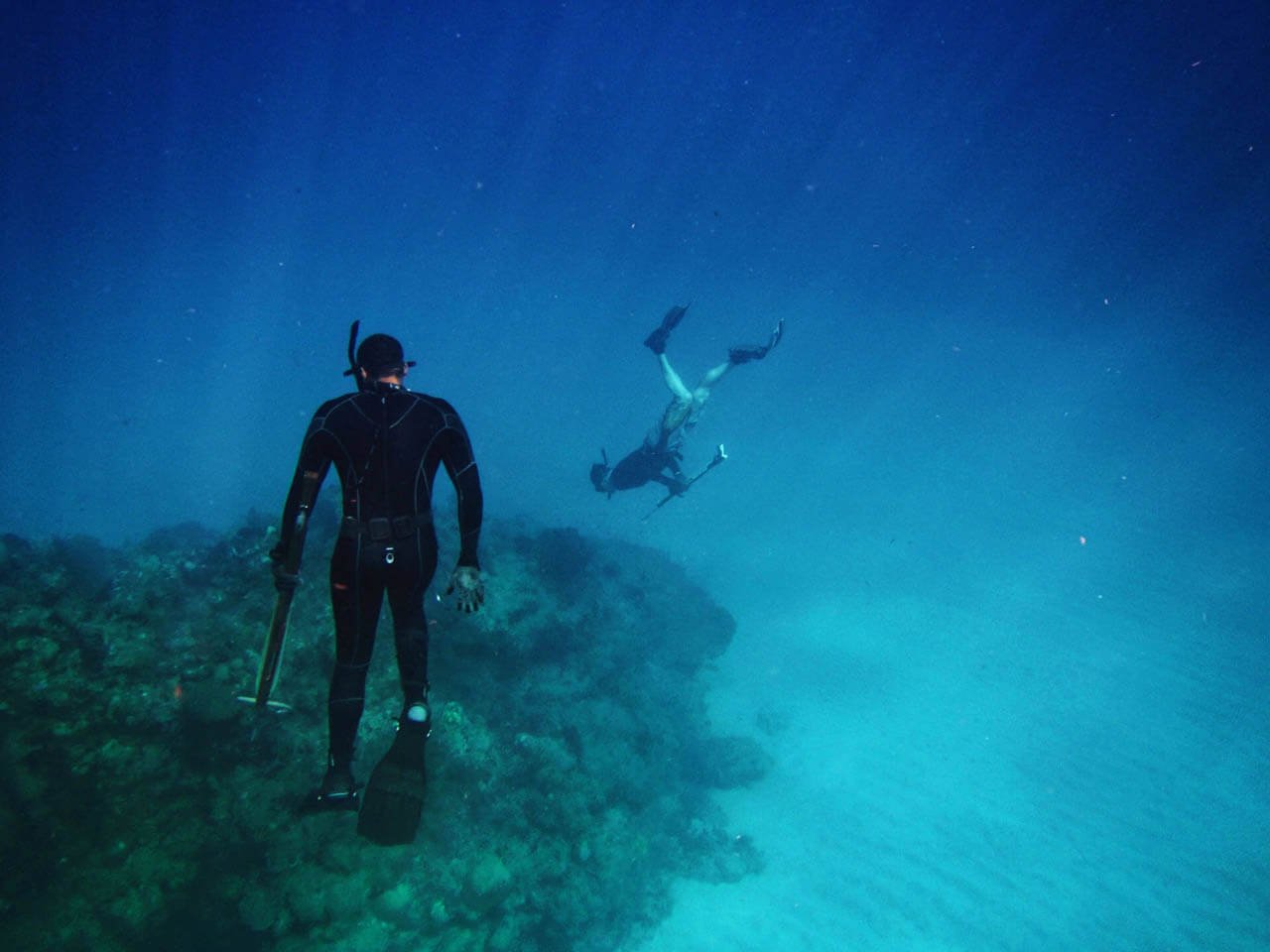
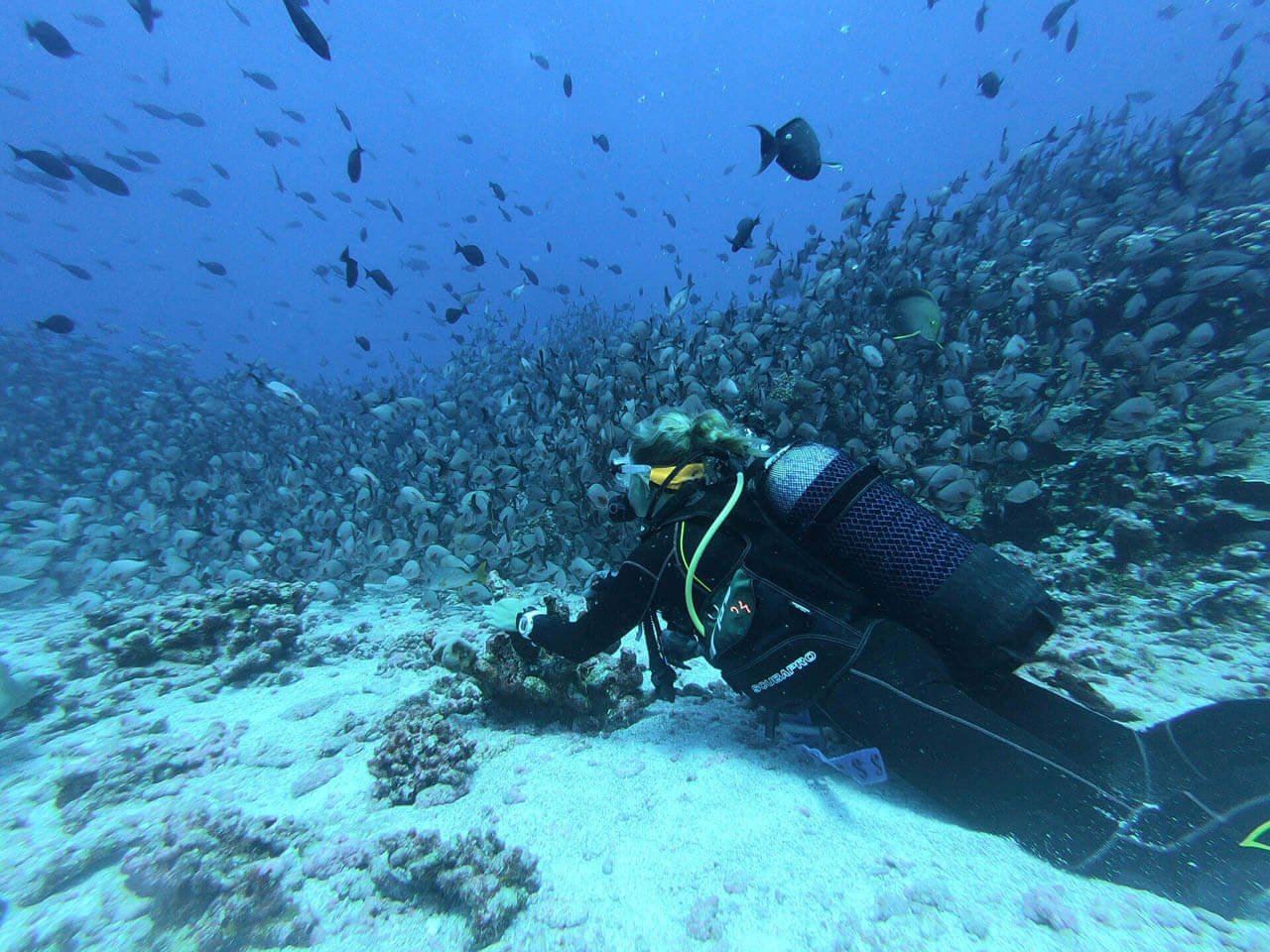
Mastering dive planning is essential for safe exploration. It takes planning, research, and practice to make the most of your dives and maximize safety. Here are some helpful tips for mastering dive planning and ensuring a safe exploration!
The beating pulse of our planet, the Great Ocean Conveyor Belt regulates the climate and temperature of the world. It carries vast amounts of heat, energy, and water around the globe. It truly is the heartbeat of our planet.
As humans we rely on and enjoy the wonders of the ocean. To preserve our rich marine biodiversity, implementing effective Marine Protected Areas is key. By doing this, we can help the ocean thrive and remain as a source of joy for generations to come.
While we often overlook them, some of the world's most enchanting creatures exist beneath the sea. But many of these "endangered beauties" are facing an uncertain future due to human threats. It's time to stand up and protect these threatened marine species.
Whether it's a broken pump or flooding aisles, underwater crises can be overwhelming. Here are some tips to stay on top and effectively respond in a timely manner.
From the depths of the Arctic to the coasts of Antarctica, oceanic travelers have embarked on daring journeys across the seven seas. A testament to the spirit of adventure, these intrepid creatures offer an inspiring reminder of our natural world's unending wonders.
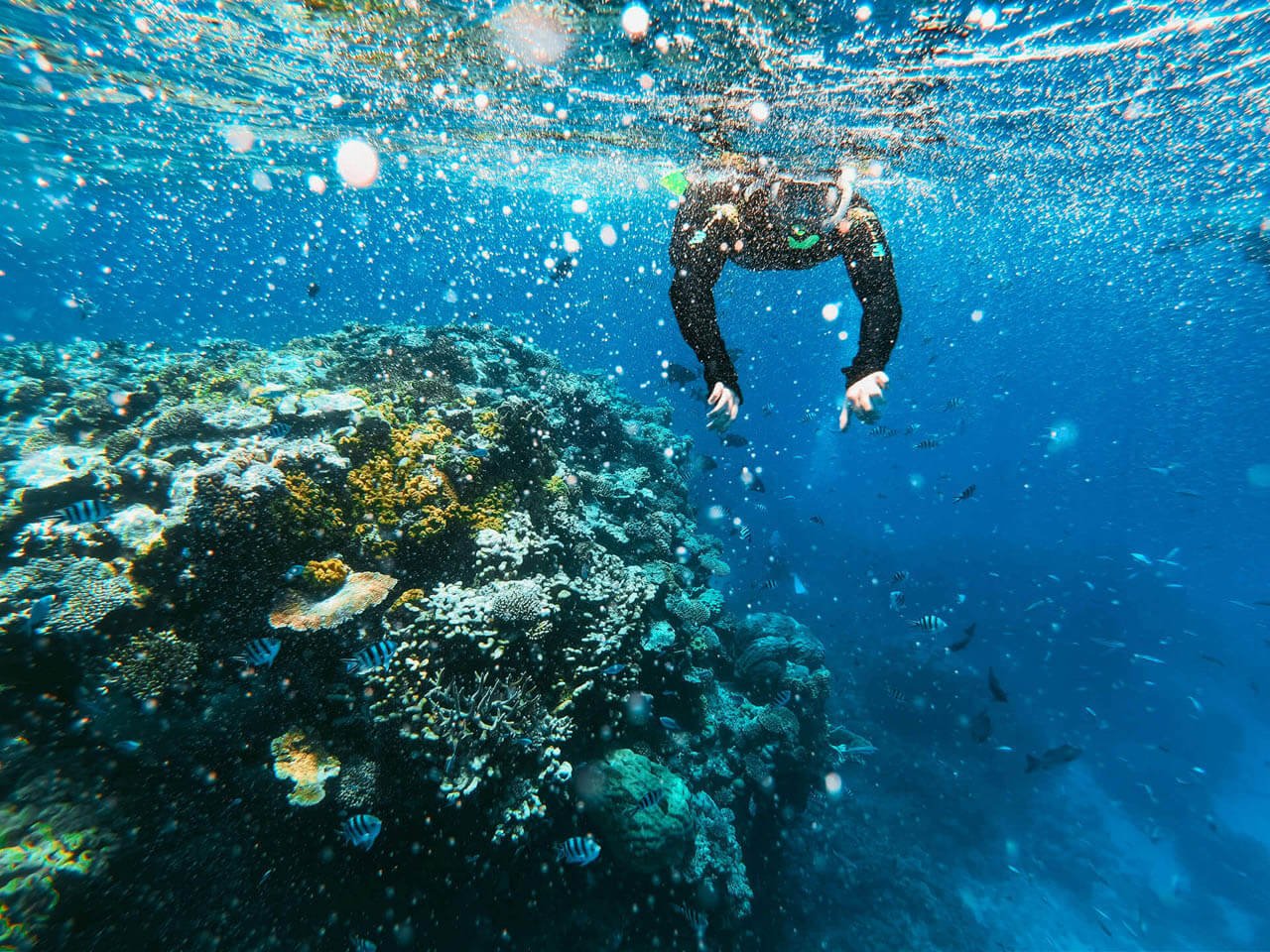
Peering beneath the surface of the ocean reveals the vibrant beauty and serenity of coral reefs. A series of magnificent underwater cities, teeming with life, coral reefs are some of the most diverse ecosystems on earth.
Welcome to the big blue! Life in the open ocean is full of mysteries - and the adaptations of pelagic species, like dolphins and whales, make these mysteries all the more fascinating. Dive in and explore!
Suddenly the diver found themselves in a life-threatening situation- dropped into deep water with limited breathing gear. To survive they must skillfully maneuver an emergency ascent and manage their resources.
Descend beneath the waves and explore the mysterious depths of the sea: what lessons can be learned from taking the plunge? Dive in to discover how the depths can reveal strength, courage, and resilience.
Travelling the world's oceans offers unparalleled beauty and adventure, but humans must learn to harmonize their activities with marine protection. With the right considerations, we can find a balance between responsible tourism and healthy, thriving ecosystems.
Scuba divers must understand the risks of decompression sickness to stay safe. A scuba dive can be an amazing experience, but taking proper precautions against the risk of decompression sickness is essential for avoiding potentially dangerous consequences.
Finding yourself in a dive emergency can be scary. Remember to take a deep breath and stay calm in order to react properly. Knowing the right protocols can help you navigate through a difficult situation and come out safe on the other side.
MPAs are gaining recognition in the fight against climate change. They protect oceanic habitats, build resilience in the face of rising temperatures, and help conserve biodiversity. As the world adapts to changing waters, MPAs are a valuable resource for resource conservation and management.
From bold adventurers to professional divers, untold stories of unforgettable underwater encounters have been told around the world. From vibrant coral reefs to undiscovered shipwrecks, these divers reveal what awaits beneath the waves.
Prey in the sea employ camouflage for self-defense, but who says military forces can't, too? Camouflage in the marine environment is truly nature's masterful game of "hide and seek".
Dive into the sea with confidence knowing you're safely equipped. Get the essential gear checklist for a safe and enjoyable dive experience. Gear up and let the journey begin!